Overview
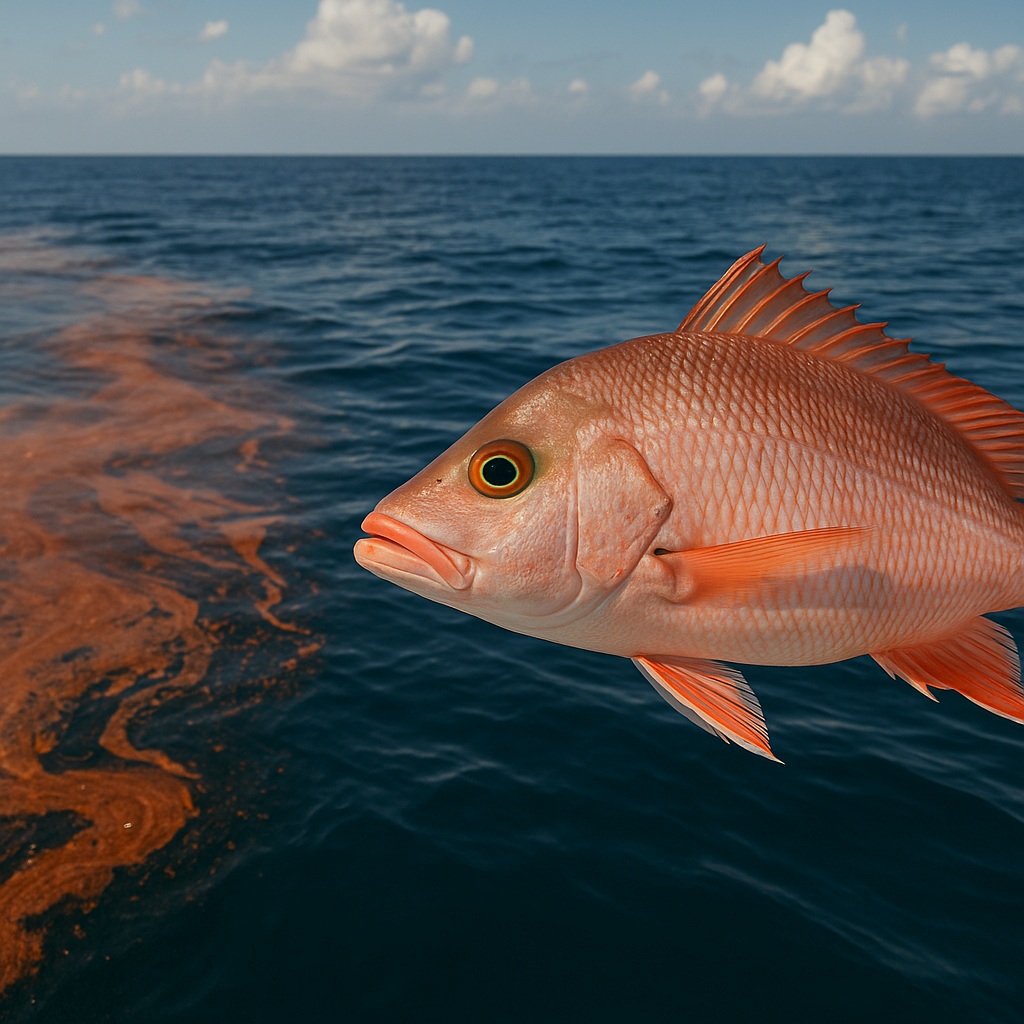
The 2010 oil spill raised urgent questions about environmental recovery and the future of marine resources. The disaster prompted concern about how such events affect fisheries, ecosystems, and global food security. Discussions about oil spills and sustainable seafood highlight the growing need to rethink how fish are sourced and farmed to reduce ecological harm.
Impact on Marine Life and Food Security
Marine ecosystems were already under pressure from overfishing, habitat destruction, and pollution before the spill. The release of oil into coastal waters added further stress, threatening fish populations and marine biodiversity.
Fish serve as a major source of protein for billions of people worldwide. A decline in wild fish stocks could have lasting effects on both global nutrition and economic stability in fishing communities.
The Role of Sustainable Aquaculture
Experts suggest that sustainable fish farming (aquaculture) may offer a long-term solution. Conventional open-net fish farms, particularly those used for salmon, often contribute to pollution and disease spread in natural ecosystems.
In contrast, modern systems such as inland recirculating aquaculture and polyculture—which raise multiple species in interconnected systems—reduce waste and environmental impact. These practices imitate natural food webs and are designed to maintain ecological balance.
Sustainable aquaculture can provide an alternative source of clean fish while supporting biodiversity and reducing dependence on overfished ocean stocks. By emphasizing responsible farming techniques, the seafood industry can help prevent future resource depletion.
Transition Toward Responsible Consumption
The oil spill underscored the importance of shifting both production and consumption habits. Supporting sustainable fisheries and aquaculture initiatives can lessen the environmental footprint of seafood consumption.
Consumers can contribute to this change by learning where their seafood originates and choosing products certified as sustainably sourced. Encouraging responsible supply chains helps strengthen environmental standards across the industry.
Environmental and Economic Outlook
Developing sustainable fish farming infrastructure requires investment, research, and regulation. Policymakers, producers, and consumers play complementary roles in ensuring that future aquaculture growth aligns with ecological safety and social responsibility.
Such systems demonstrate that economic development and environmental conservation can coexist when guided by long-term planning and innovation.