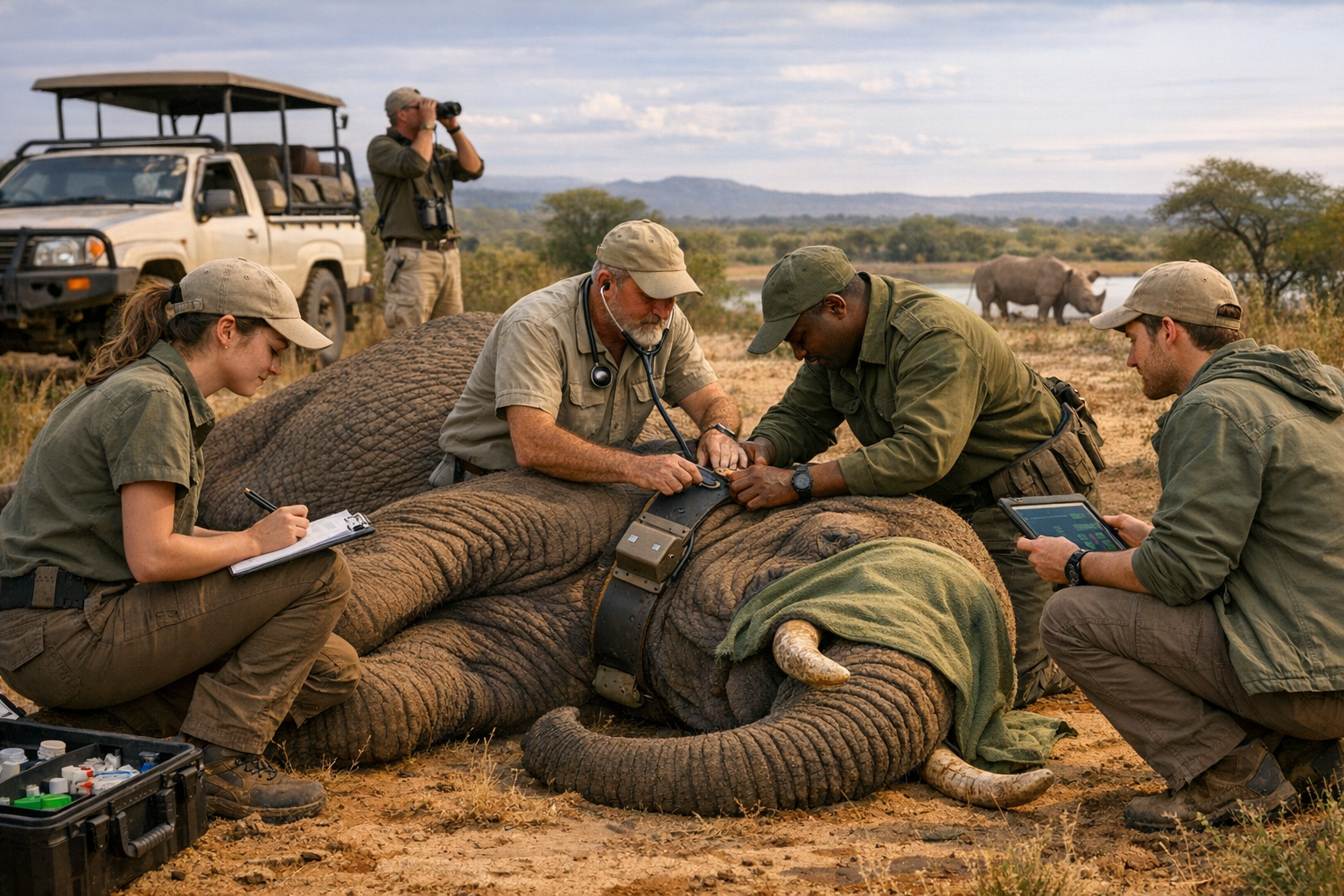
How does insurance affect conservation? Insurance and conservation are two fields that may seem unrelated at first glance. However, they share a surprisingly close connection that is growing stronger as the world faces new environmental challenges. Many experts now see insurance as an essential tool in protecting nature and promoting conservation. As climate change and biodiversity loss threaten ecosystems, new insurance products are helping to manage risks and support conservation goals. Consequently, the relationship between insurance and conservation warrants careful attention. Understanding how insurance impacts conservation efforts can help both industries contribute to a more sustainable future. In the following sections, we examine how insurance shapes conservation, informs environmental decision-making, and creates new opportunities for nature protection.
Understanding the Connection Between Just How Does Insurance Affect Conservation?
Insurance provides financial security for individuals, businesses, and communities against unexpected losses. Conservation, by contrast, aims to protect and restore natural resources for future generations. When insurance and conservation work together, they create unique opportunities to preserve the environment while managing risk. For example, insurance can offer coverage for forests, wetlands, or coral reefs against natural disasters. In many cases, the availability of insurance encourages landowners and organizations to invest in conservation practices.
Moreover, insurance products can reward environmentally responsible behavior. When landowners manage their resources sustainably, insurers may offer lower premiums or special coverage. By linking insurance costs with conservation actions, companies motivate people to protect habitats and reduce risks. Insurance also helps communities recover more quickly after disasters, allowing them to rebuild and restore damaged ecosystems. Because of these benefits, insurance is becoming an important partner in conservation efforts.
Additionally, insurance providers now recognize the value of healthy ecosystems. For instance, intact wetlands can reduce flood risk, whereas forests can mitigate landslide risk. Insurers often consider these natural benefits when designing policies and setting premiums. Through partnerships with conservation groups, insurers gain insights into how nature can reduce risks and costs. As a result, more companies are investing in projects that protect biodiversity and enhance ecosystem services.
The Role of Insurance Policies in Conservation Efforts
Insurance policies provide financial protection for conservation projects. For instance, habitat insurance can cover the cost of restoring wetlands after a storm or fire. When landowners know that insurance will help cover losses, they feel more confident about investing in conservation. As a result, more people participate in programs that restore forests, conserve water, and protect wildlife. Insurance acts as a safety net, reducing the risk of conservation and making it more attractive.
Insurance companies also design policies that promote sustainable practices. For example, policies may require landowners to adhere to specific management guidelines to maintain coverage. This encourages responsible resource use and helps prevent environmental damage. By setting eligibility standards, insurance providers guide communities toward more sustainable choices. At the same time, conservation-oriented insurance policies often reward those who exceed basic requirements with reduced premiums.
Furthermore, insurance can fund large-scale conservation initiatives. Governments and organizations sometimes use insurance to protect entire regions or species from catastrophic events. In some cases, funds from insurance payouts are used to restore ecosystems or support affected communities. Because insurance spreads risk, it makes conservation goals more realistic, even in areas exposed to frequent natural disasters. As more countries seek to safeguard their natural heritage, the role of insurance in conservation will likely continue to expand.
How Insurance Influences Environmental Protection Decisions
Insurance plays a key role in shaping how people and organizations make environmental decisions. When insurance companies recognize the value of healthy ecosystems, they offer lower premiums to those who protect nature. How does insurance affect conservation? This encourages landowners and businesses to invest in green practices. For example, maintaining a healthy forest may reduce wildfire and landslide risk, thereby lowering insurance premiums. Because of these incentives, insurance helps align economic interests with conservation goals.
In addition, insurance helps communities recover more quickly from environmental disasters. When a flood or hurricane damages protected land, insurance payouts fund restoration and rebuilding. This quick access to funds enables conservation groups to act swiftly and prevent further ecosystem loss. Insurance also gives peace of mind to those managing natural resources, allowing them to take bold steps toward conservation without fear of financial ruin. As a result, more people are willing to invest in long-term environmental protection.
Moreover, insurance can sometimes influence public policy. When insurers highlight the costs of environmental risks, governments may act to improve regulations or support conservation programs. For example, higher insurance claims due to repeated flooding can prompt cities to invest in wetland restoration. Insurance data provides valuable insights into which areas are most vulnerable, informing decisions in both the public and private sectors. By encouraging risk reduction through nature-based solutions, insurance helps drive positive environmental change.
Future Challenges and Opportunities for Conservation Insurance
In the coming years, conservation insurance will face several challenges. How does insurance affect conservation? Climate change is increasing the frequency and severity of natural disasters, making it harder to predict and price risks. As ecosystems change, insurance models must adapt to new threats that were previously rare or unknown. Companies will need to invest in research and data collection to understand how climate impacts conservation areas. Because of these uncertainties, some insurers may hesitate to offer coverage, especially in high-risk regions.
Despite these challenges, conservation insurance also presents exciting opportunities. New technologies, such as satellite monitoring or artificial intelligence, can improve risk assessment and monitoring. These advances help insurers better understand the value of ecosystems and respond quickly to changes. Partnerships among insurers, governments, and conservation groups can also lead to the development of innovative products. For example, insurance could support community-led conservation or fund ecosystem restoration following disasters. As more organizations see the benefits, the market for conservation insurance will likely grow.
In addition, education and collaboration will be essential for success. Insurers must work closely with conservationists to develop policies that truly benefit both people and nature. Governments can help by creating regulations that support nature-focused insurance products. Public awareness campaigns can also encourage more people to incorporate insurance into their conservation strategies. As global demand for environmental protection rises, insurance will become an even more important tool. By addressing challenges and seizing new opportunities, conservation insurance can play a key role in securing a sustainable future.
Conclusion
How does insurance affect conservation? The connection between insurance and conservation is strengthening as both fields adapt to contemporary environmental challenges. Insurance not only protects people and property but also helps safeguard the natural world. By offering financial security and incentives, insurance encourages landowners and organizations to invest in conservation. As the importance of healthy ecosystems becomes clearer, insurers are developing innovative products that reward good stewardship and support disaster recovery. However, the rise of climate change and other environmental threats presents challenges for the industry. Insurers must remain flexible, creative, and committed to collaboration with conservationists, governments, and communities. New technologies and partnerships will play a crucial role in overcoming obstacles and expanding the reach of conservation insurance.